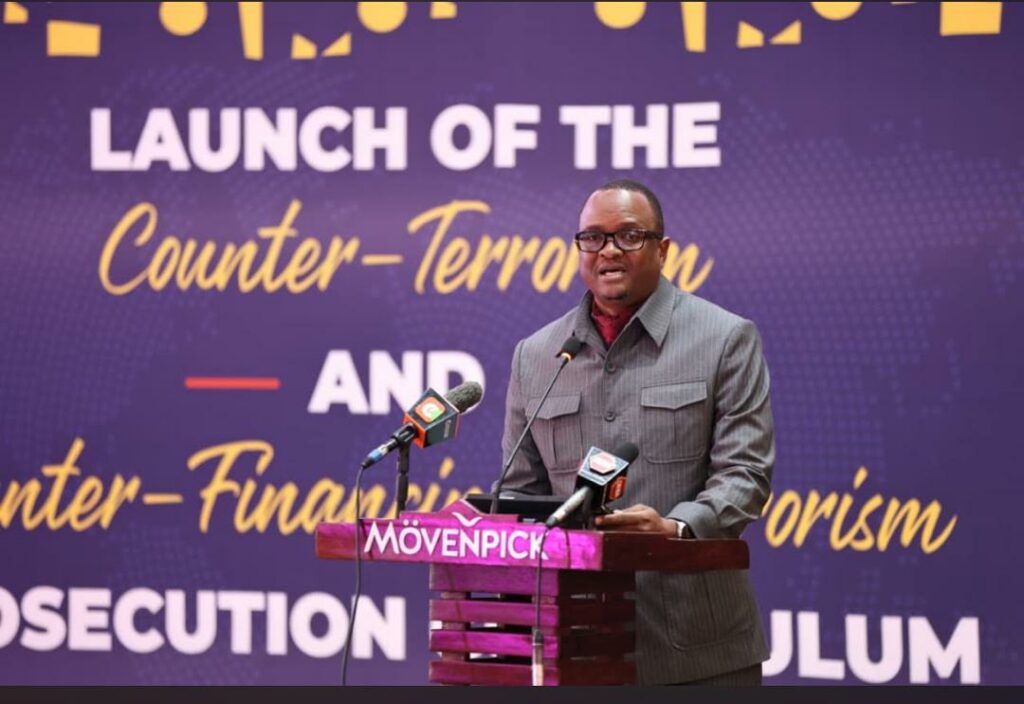
Nairobi, Kenya | February 23, 2026 – The courtroom has become the next frontline in Africa’s battle against terrorism. With steadfast determination, the Learned Director of Public Prosecutions (DPP), Mr. Gilbert A. Phiri, SC, declared that prosecuting terrorists and dismantling their financial networks is now as critical as neutralising threats in the field.
Speaking in Nairobi at the launch of the Counter-Terrorism and Counter-Financing of Terrorism Prosecution Curriculum, Mr. Gilbert A. Phiri, SC, positioned prosecutors at the very centre of Africa’s security framework.
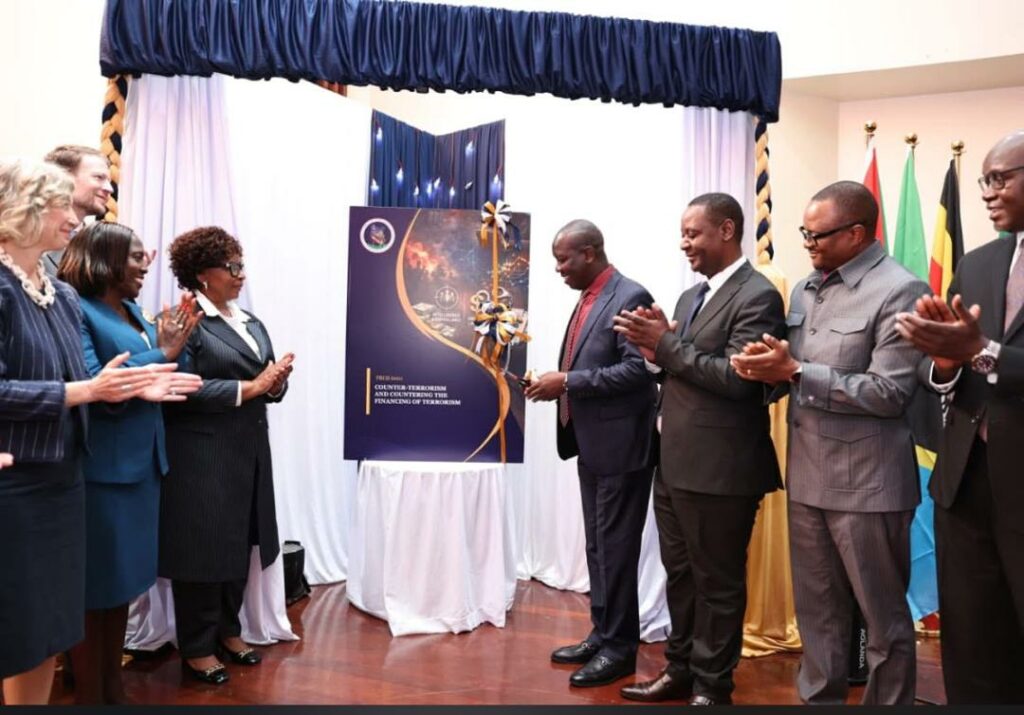
The curriculum was officially unveiled by Kenya’s Director of Public Prosecutions, Mr. Renson M. Ingonga, CBS, OGW, marking a significant step toward strengthening prosecutorial capacity across the region.
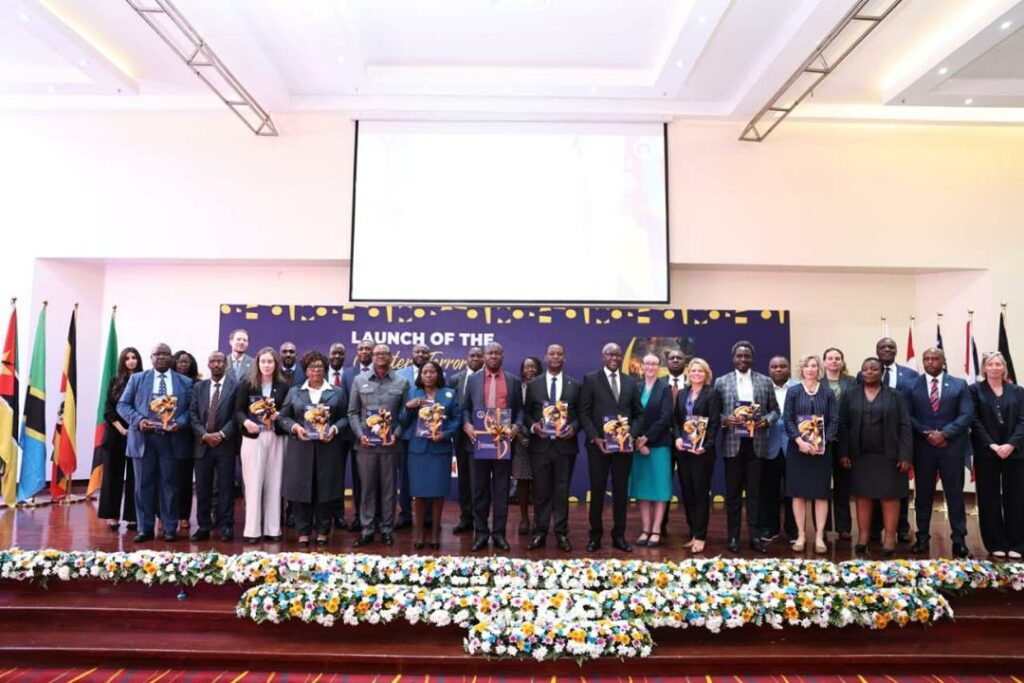
The launch drew senior justice sector leaders and diplomats from across Africa and beyond, including Directors of Public Prosecutions from Uganda and Tanzania, representatives of the United States, Canada and Mozambique, members of the judiciary, and international justice institutions, emphasising a coordinated, intelligence-led regional commitment to dismantling terror networks.
Addressing the gathering, the learned DPP reminded delegates that while Zambia enjoys relative peace and stability, no nation is insulated from evolving global threats.
“Terrorism and its financing transcend borders,” he said, warning that extremist networks exploit institutional weaknesses wherever they appear.
He pointed to Zambia’s legislative framework, the Anti-Terrorism and Non-Proliferation Act No. 21 of 2018, strengthened by 2023 amendments, as evidence of deliberate national resolve.
“The complexity of terrorism cases, often involving digital evidence, financial intelligence and cross-border investigations, demands specialised knowledge and strategic prosecutorial capacity.”
The newly launched curriculum, he observed, is designed to translate investigations into structured, evidence-driven prosecutions capable of withstanding judicial scrutiny. It seeks to promote consistency, technical excellence and strategic case management across jurisdictions.
Central to the DPP’s address was the urgent need to disrupt terrorist financing. Describing funding streams as the “lifeblood” of extremist operations, he stressed that terrorist networks cannot function without access to illicit resources, whether sourced from organised crime, abuse of financial systems, or cross-border transfers.
Strengthened financial intelligence collaboration, asset tracing, freezing and forfeiture mechanisms, he said, must remain core prosecutorial priorities.
Perhaps the most defining moment of his address came when he drew a clear constitutional line:
“Counter-terrorism is not merely a security imperative; it is fundamentally a legal responsibility.”
He warned against sacrificing constitutional safeguards in pursuit of security gains.
“Security and human rights are not mutually exclusive. They are mutually reinforcing pillars of justice and democratic governance.”
The Nairobi launch signals more than the introduction of a training programme. It represents a maturing of Africa’s prosecutorial strategy, one grounded in cooperation, institutional resilience and harmonised standards.
DPP Phiri concluded by restating Zambia’s commitment to working alongside Kenya and regional partners to ensure that no jurisdiction becomes a safe haven for terrorists or their financiers.
The message from Nairobi was unmistakably that Africa’s defence against extremism will not rely solely on force. It will rely on precision. On law. And on prosecutors prepared to meet modern threats with modern capacity.