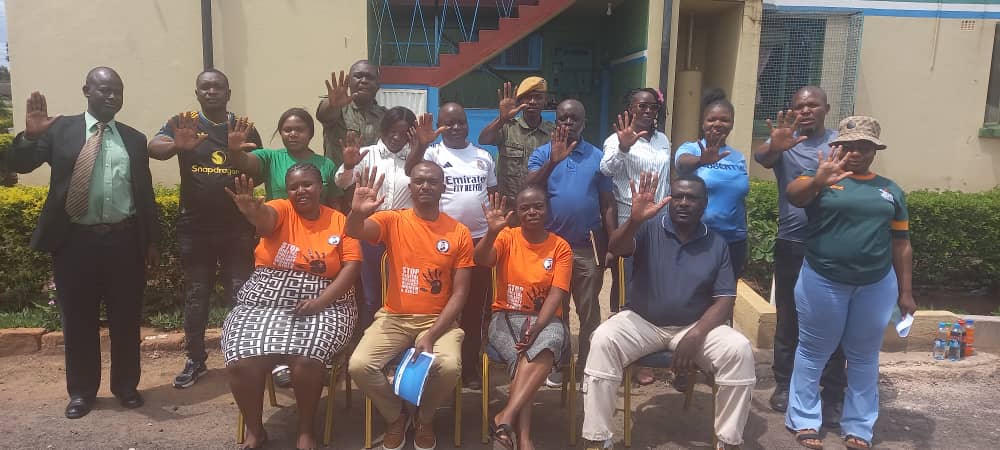
Kabwe, Zambia | December 4 – The fight against Gender-Based Violence in Kabwe yesterday took a decisive turn, not in a courtroom, but at the charge desk of Chowa Police Station. In a move that strips the issue back to its raw, frontline reality, prosecutors from the National Prosecution Authority (NPA) sat not opposite police officers, but alongside them, creating a crucial alliance in the heart of where GBV cases first breathe the air of the justice system.
The engagement was a cornerstone of the 16 Days of Activism, but its spirit was far from ceremonial. It was a strategic, gritty conversation between two pillars of the justice chain. The NPA team engaged directly with officers, the first responders who hold the power to believe, to document meticulously, and to set the course for a case that could save a life. The dialogue focused on the critical handover from report to prosecution – securing evidence that stands in court, understanding victim trauma that complicates statements, and building the unshakable case file that abusers cannot talk their way out of.
“The police station is ground zero,” said an NPA official from the Kabwe office. “If the foundation of the case is cracked there, the whole house falls by the time it reaches us. Today was about ensuring we’re building that foundation together, with the same blueprint of urgency and victim-centricity.”
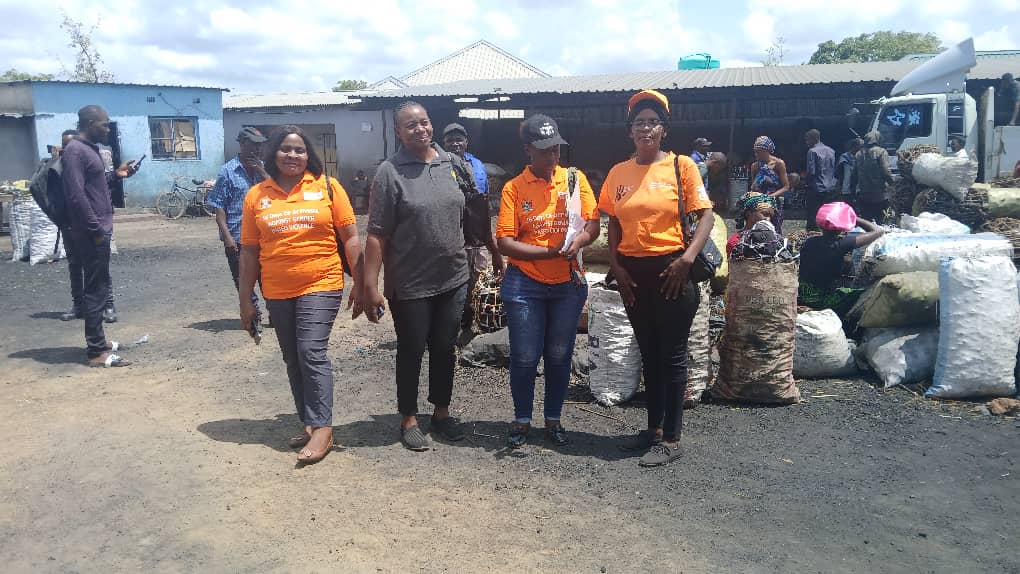
No sooner had the dialogue at Chowa concluded than the team translated talk into public action. Joining a multi-sectoral force comprising the Zambia Police, the Makululu One Stop Centre, and the Department of Gender, they took the message directly to the people in the bustling Makululu Compound market.
Here, amidst the vibrant chaos of traders and shoppers, the abstract term “GBV” was given local dialect, local faces, and local consequences. The teams engaged marketeers, passersby, and community leaders in frank, often difficult conversations. They spoke of the silence that fuels violence, the economic abuse hidden behind closed doors, and the absolute right of every woman and girl to safety.
“Awareness in the market is not just a poster,” explained a Gender Department officer, her voice rising above the din. “It is telling a woman selling tomatoes that if her husband takes her daily earnings, that is a crime. It is telling a bystander that the shouting from the neighbour’s house is his business too. It is turning a community from witnesses into guardians.”
The dual-pronged approach of the day, strengthening the institutional response at the police station and mobilising the communal conscience in the marketplace, embodies the holistic fight required to dismantle GBV. It recognises that the law is only as strong as the system that enforces it and the society that upholds it.
The 16 Days are a rallying cry, but the work in Kabwe was a tangible down-payment on a longer war. By aligning the professional response of the police with the prosecutorial rigor of the NPA and then embedding that alliance in community consciousness, Kabwe is not just raising awareness. It is building, brick by brick, a sturdier fortress for its most vulnerable citizens. The message is clear that justice for GBV begins the moment a victim speaks, and it is the duty of every hand in the chain, from the officer at the desk to the prosecutor in court to the trader in the market, to ensure that voice is never, ever lost again.