Livingstone, Kitwe | September 167, 2026 – For the National Prosecution Authority (NPA), bringing justice closer to the people means more than prosecuting cases in court.
It also means being present in the communities the justice system exists to serve.
That principle came to life during NPA Week 2026, as NPA teams across the country stepped beyond the courtroom to engage members of the public in places where they live, work and seek assistance.
From a busy marketplace in Livingstone to community spaces on the Copperbelt, prosecutors used the week to explain the Authority’s mandate, raise awareness of rights and available support services, and give members of the public an opportunity to ask questions and share concerns.
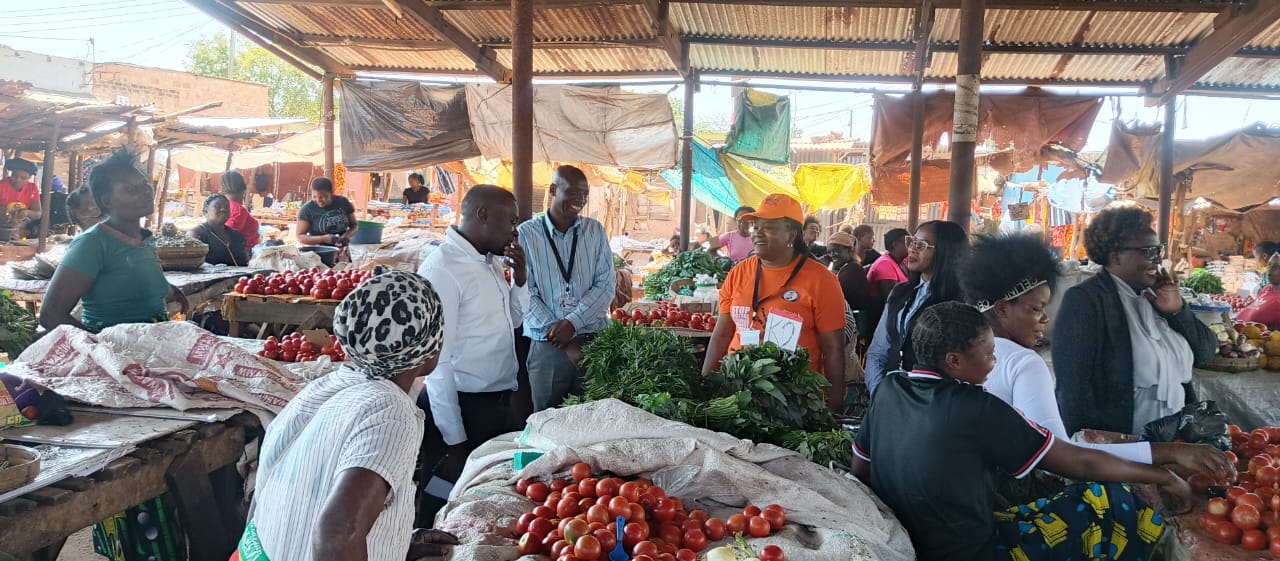
In Southern Province, the Livingstone NPA team took its outreach to Ngwenya Market on September 9, 2026, where traders were engaged on the functions of the Authority, gender-based violence and witness support services available to people called to testify in court.
The engagement did not end when the sensitisation talk was over.
Led by State Advocate Ms. Rachel Nsokolo Phiri, the team established a legal desk within the market, giving traders an opportunity to bring forward individual legal concerns and receive guidance on the spot.
For people whose daily routines may not ordinarily bring them into contact with prosecution officers, the legal desk offered a direct point of access to legal information.
It was a practical demonstration of what public outreach can achieve: taking legal information to people rather than expecting people to navigate the system alone.
On the Copperbelt, the provincial team, led by Deputy Chief State Advocate Mr. K. I. Waluzimba, Principal State Advocate Ms. Jacklyn Banda, Senior Human Resource Management Development Officer Mr. A. Kakanda and Senior State Advocate Mr. D. Mukelelabo, joined State Advocates and Public Prosecutors from districts across the province in a programme of public education and community engagement.
The activities included educational talks in schools, radio programmes, a courtesy call on Senior Chief Chiwala of the Lamba people in Masaiti District and a visit to the One Stop Centre in Buchi, Kitwe.
The engagements provided opportunities to explain the NPA’s mandate, raise awareness of rights and their protection, and listen to concerns from stakeholders.
They also addressed an issue central to public understanding of the justice system: the distinct roles played by the institutions within it.
The NPA is neither the Police Service nor the Judiciary.
- The Police investigate alleged offences;
- Prosecutors make decisions on prosecution in accordance with the law and conduct criminal proceedings before the courts; while
- The Judiciary independently adjudicates matters brought before it.
For an institution whose work is often encountered through court proceedings, explaining these distinctions directly to the public is an important part of building understanding of the justice system.
But perhaps the most important feature of the week’s community engagements was that they were not simply about explaining.
They were also about listening.
Whether at a market, a community service centre or through direct stakeholder engagement, prosecutors had an opportunity to hear the questions and concerns that shape people’s experiences of the justice system.
NPA Week 2026, therefore, offered more than a series of commemorative activities.
It brought prosecution services into everyday spaces and opened channels of communication between prosecutors and the communities they serve.
Because justice is not only about what happens inside a courtroom.
It is also about ensuring that people understand the law, know their rights and know where to turn when they need assistance.